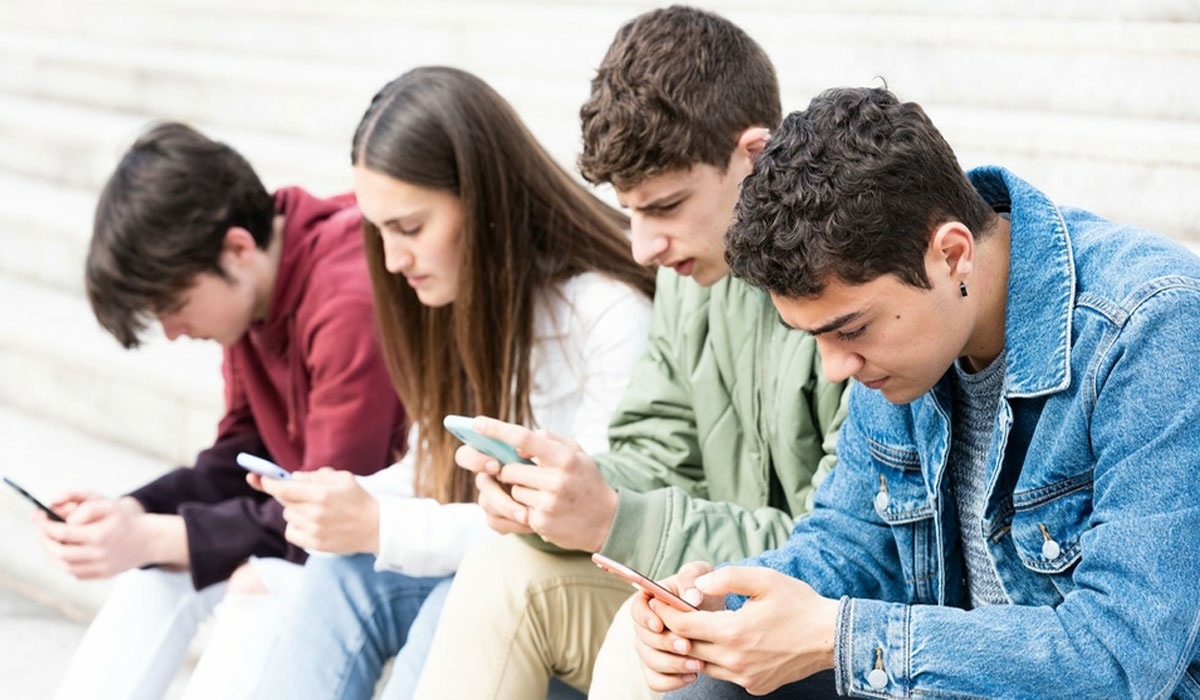
Social media has transformed the way people communicate, work, and live Platforms that were once simple tools for sharing updates.
Have become powerful forces shaping opinions, influencing behavior, and even affecting mental health. The truth about social media is both fascinating and alarming, revealing impacts that most users never fully realize. Below, Newsminers.net will provide some explanations regarding upgrade your home: smart renovations that pay off long-term.
The Rise of Social Media and Its Power
Social media has grown exponentially over the past decade, with billions of users worldwide. Platforms like Facebook, Instagram, TikTok, Twitter, and YouTube dominate daily life, creating communities that span the globe. Their influence is undeniable, affecting how people consume news, interact socially, and even make purchasing decisions.
One of the key reasons social media is so powerful is its ability to capture attention. Algorithms are designed to prioritize content that engages users, often keeping them scrolling for hours. This addictive design allows platforms to monetize attention through advertising, making social media a multi-billion-dollar industry.
Furthermore, social media has become a platform for influence and activism. Individuals can share opinions, raise awareness for causes, and even affect political outcomes. While this has positive potential, it also shows the immense power these platforms have to shape beliefs, behaviors, and even societal trends.
The Impact on Mental Health
While social media connects people, it also comes with significant mental health consequences. Studies have linked excessive use to anxiety, depression, and low self-esteem, particularly among teenagers and young adults. Constant exposure to curated content can create unrealistic expectations and social comparisons that harm self-image.
Cyberbullying and online harassment are other serious concerns. Negative interactions on social media can leave lasting psychological effects, especially when anonymity emboldens harmful behavior. These platforms can amplify toxic content, creating environments that are mentally exhausting for users.
On the flip side, social media can also provide support networks. Online communities allow people to connect with others who share similar challenges or interests, fostering a sense of belonging. Understanding both the risks and benefits is essential for navigating social media responsibly.
Also Read: Education for the Future: The Key to a Golden Generation’s Success
The Influence on Business and Culture
Social media has revolutionized business and culture in profound ways. Companies leverage these platforms for marketing, customer engagement, and brand building. Viral campaigns, influencer partnerships, and targeted advertising have transformed the way products are promoted and sold.
Cultural trends are also shaped online. Memes, viral challenges, and hashtags influence music, fashion, and entertainment. Social media creates a rapid feedback loop where trends spread faster than ever, and cultural influence is no longer limited by geography or traditional media channels.
Moreover, social media has democratized influence. Ordinary individuals can become global sensations overnight, while businesses of any size can access audiences previously unreachable without massive budgets. This power shift has created new opportunities, but it also intensifies competition and requires strategic understanding to succeed.
The Dark Side of Social Media
Despite its benefits, social media has a dark side that is often overlooked. Misinformation and fake news can spread rapidly, influencing public opinion and even elections. Algorithms designed to maximize engagement often amplify sensationalist or misleading content, making it difficult for users to discern truth from fiction.
Privacy is another major concern. Social media platforms collect vast amounts of personal data, which is used for targeted advertising and other purposes. Breaches or misuse of this data can have serious consequences for users, from identity theft to exploitation by third parties.
Addiction is perhaps the most insidious effect. The constant need to check notifications, likes, and shares can disrupt sleep, reduce productivity, and impair real-world social interactions. Understanding these risks is crucial for anyone using social media in today’s connected world.
Conclusion
The shocking truth about social media is that it is a double-edged sword. It connects people, drives culture, and fuels business growth, yet it also carries risks to mental health, privacy, and societal stability. Awareness and responsible use are essential to harness the benefits while mitigating the negative impacts. Social media is not going away it is a central part of modern life, and understanding its power, influence, and potential pitfalls is more important than ever.
About the Author