Game-Changer! How Entertainment Is Taking Over the Digital Era
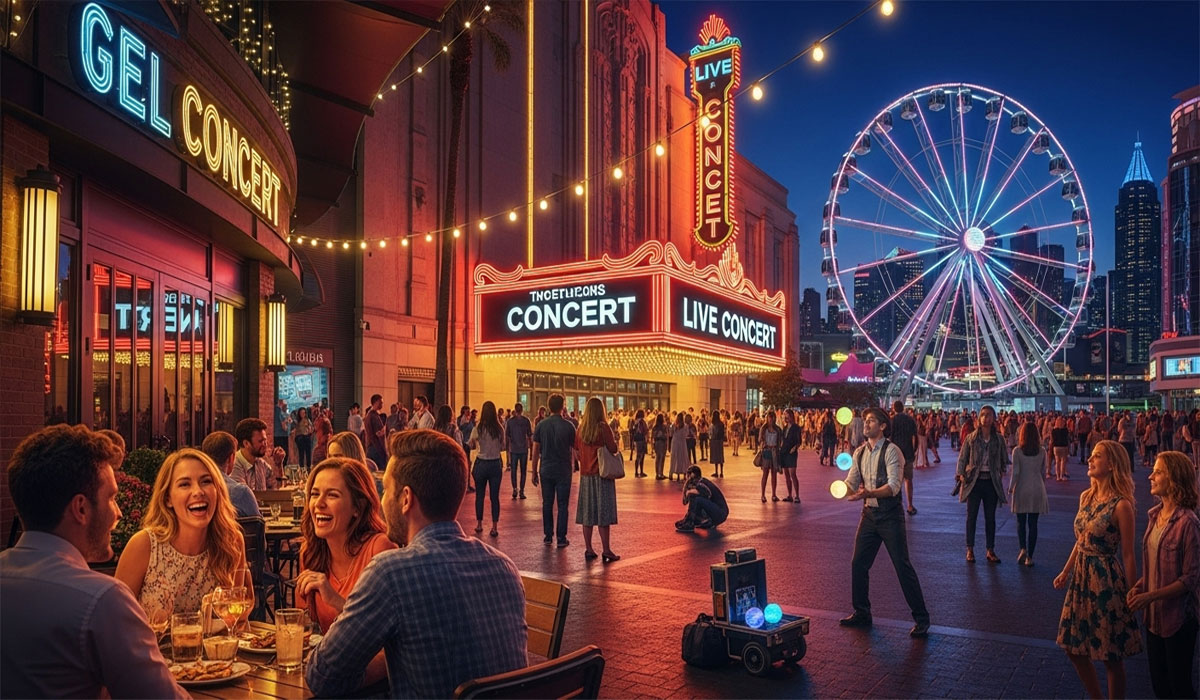
Entertainment has always been a central part of human life, but in the digital era, it has evolved into something far more dynamic and influential than ever before.
What once relied on television screens, cinemas, and live events has now expanded into a limitless digital universe where content is accessible anytime and anywhere. This transformation is not only changing how people consume entertainment, but also how it is created, shared, and monetized. Below, Newsminers.net will provide some explanations regarding upgrade your home: smart renovations that pay off long-term.
The Shift from Traditional to Digital Platforms
The entertainment industry has undergone a massive shift from traditional media to digital platforms. Television and cinema still hold their place, but streaming services and online content platforms have become dominant forces. Viewers now prefer on-demand content that fits their schedules rather than fixed programming.
This shift has given rise to platforms that offer a wide variety of content, from movies and series to short-form videos. Audiences are no longer limited by geography or broadcasting schedules. Instead, they can explore global content with just a few clicks.
As a result, content creators have more opportunities than ever before. Independent creators can reach large audiences without relying on traditional gatekeepers. This democratization of content has led to a surge in creativity and diversity within the entertainment industry.
The Rise of Social Media and Viral Content
Social media has become a powerful driver of modern entertainment. Platforms dedicated to sharing videos, music, and live streams have turned ordinary individuals into global sensations almost overnight. Viral content now plays a significant role in shaping trends and public conversations.
The speed at which content spreads on social media is unprecedented. A single video or post can reach millions of viewers within hours, creating instant fame and influence. This rapid exposure has redefined what it means to be a celebrity in the digital age.
At the same time, audience engagement has become more interactive. Viewers are no longer passive consumers. They comment, share, and even participate in content creation. This two-way interaction strengthens the connection between creators and their audiences.
Also Read: The World of Business: Definition, Goals, and Roles That Are Rarely Known!
Technology Transforming the Entertainment Experience
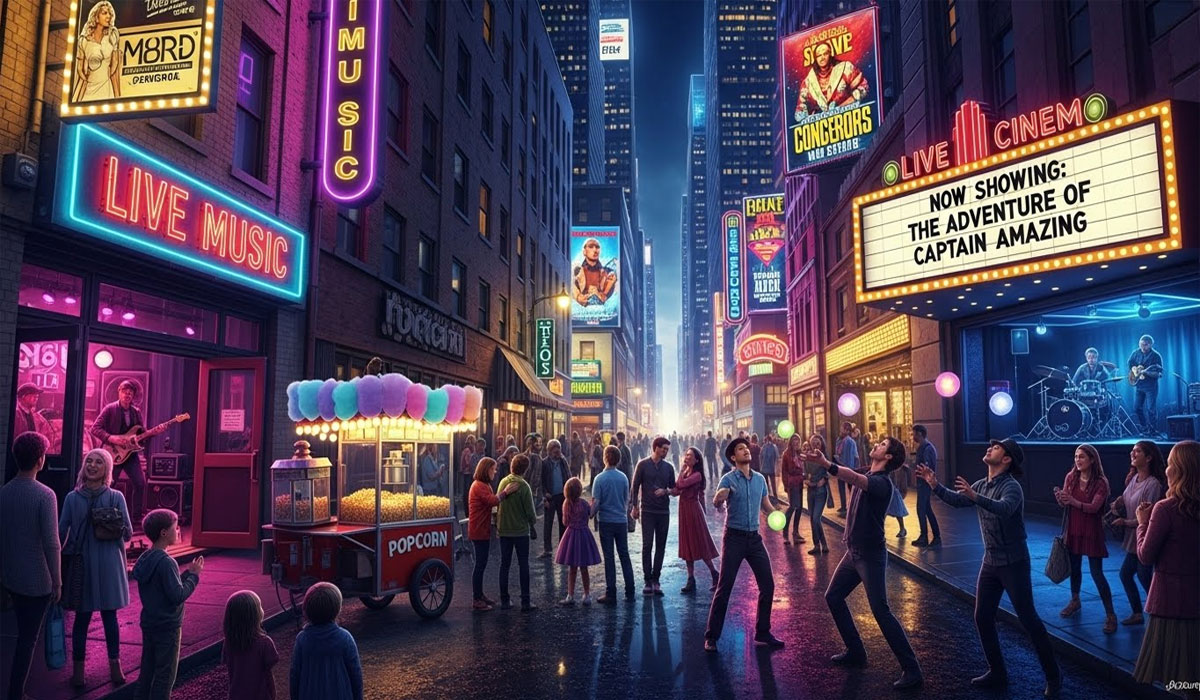
Advancements in technology have significantly enhanced the entertainment experience. High-definition streaming, virtual reality, and augmented reality are creating more immersive and engaging forms of content. These innovations are pushing the boundaries of what entertainment can offer.
Artificial intelligence is also playing a growing role. It helps recommend content based on user preferences, making it easier for audiences to discover what they enjoy. This personalized experience increases satisfaction and keeps users engaged for longer periods.
In addition, gaming has emerged as a major part of the entertainment landscape. Modern games offer cinematic storytelling and interactive experiences that rival traditional media. This blending of technology and creativity continues to redefine the industry.
Monetization and the Business of Digital Entertainment
The digital era has introduced new ways to monetize entertainment. Advertising, subscriptions, and direct support from audiences have become key revenue streams for creators and companies. This diversification has made the industry more flexible and resilient.
Content creators can now earn income through multiple channels. From brand partnerships to fan contributions, there are numerous opportunities to generate revenue. This has encouraged more people to pursue careers in entertainment.
However, competition has also increased. With so much content available, standing out requires creativity, consistency, and a strong understanding of the audience. Those who can adapt to changing trends and maintain quality are more likely to succeed in this competitive environment.
Conclusion
The digital era has transformed entertainment into a powerful and ever-evolving industry that influences culture, communication, and even the global economy. From the rise of streaming platforms and social media to the impact of advanced technology and new monetization models, the way people experience entertainment has changed dramatically. As innovation continues to shape the future, one thing remains clear: entertainment will continue to grow, adapt, and play a vital role in connecting people around the world.
Image Source:
First Image from: etedge-insights.com
Second Image from: coinvesting.com
About the Author