Digital Revolution 2026: These Technologies Will Change Your Life!
Discover the latest technology trends that will transform your digital world in 2026, from AI to smart gadgets.
Technology continues to advance rapidly, impacting nearly every aspect of human life. From the way we work and communicate to the way we access information, digital innovation is bringing about profound transformations that cannot be ignored.
Here, Newsminers.net will discuss about Discover the latest technology trends that will change your digital world in 2026.
Artificial Intelligence (AI) and Automation
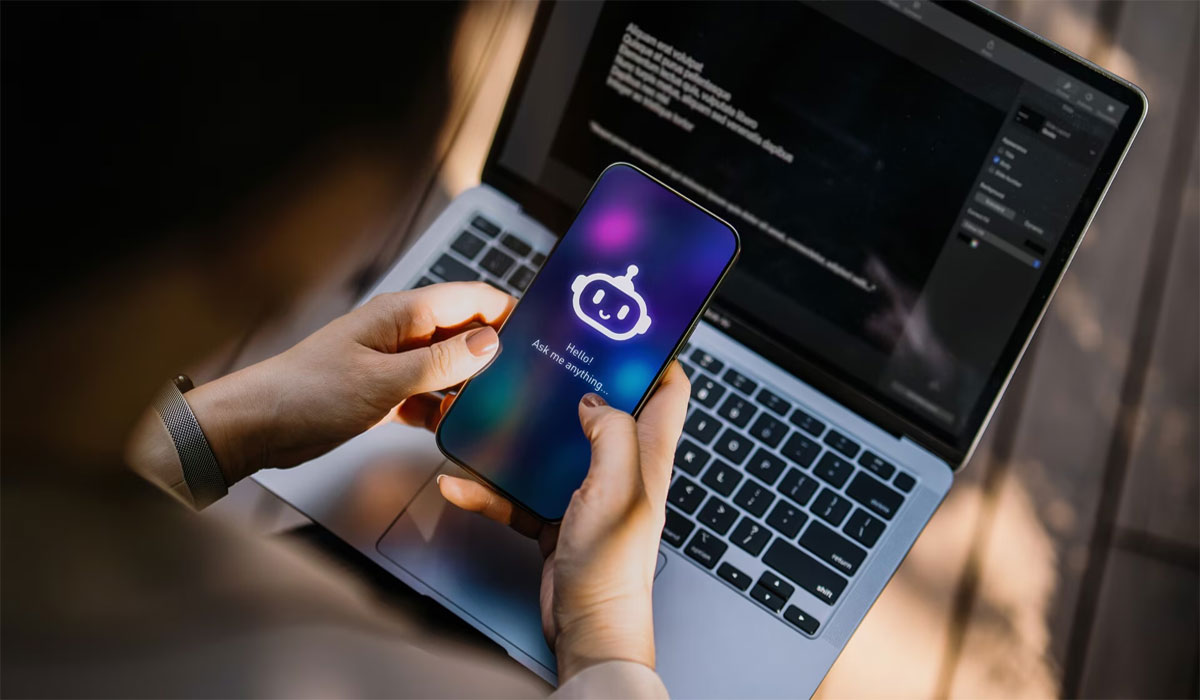
Artificial intelligence is now at the heart of the technological revolution. From chatbots that assist with customer service to algorithms that manage business processes, AI improves efficiency and productivity. Large companies are increasingly relying on AI to quickly analyze data, make predictions, and provide more accurate, data-driven solutions.
Furthermore, AI is also expanding into the creative sector. This technology can produce content, music, and even graphic design, which previously required human intervention. AI-based automation helps reduce monotonous work and allows humans to focus on more strategic tasks.
However, the development of AI also raises questions about ethics and data security. How can we ensure AI is used responsibly? Regulation and transparency are key to ensuring this technology delivers maximum benefits without posing risks to society.
Internet of Things (IoT) and Smart Devices
IoT has transformed the way humans interact with their surroundings. From smart homes that automatically control lights and temperatures to smart cities that monitor traffic, IoT offers convenience and efficiency. These smart devices collect data in real time, enabling faster and more accurate decision-making.
The development of IoT also improves the quality of life. For example, wearable devices like smartwatches monitor users’ health, provide early warnings, and support healthier lifestyles. Industries also benefit through automated monitoring systems, reducing operational costs and increasing productivity.
However, high connectivity also poses security challenges. Every connected device can become a vulnerable point for cyberattacks. Therefore, developing robust security protocols and educating users is crucial.
Also Read: Bruce Springsteen Drops Protest Song Targeting ICE Violence In Minneapolis
Blockchain and Digital Security
Blockchain is no longer just synonymous with cryptocurrency. This technology is used to ensure the security of digital transactions, maintain data integrity, and create transparent systems. Sectors from the financial, logistics, and healthcare sectors are beginning to adopt blockchain to reduce the risk of fraud and accelerate data verification processes.
Furthermore, blockchain-based smart contracts enable automated transactions without intermediaries, reducing costs and time. This also opens up new opportunities for innovative, more efficient and secure business models.
Despite its enormous potential, blockchain still faces challenges in scalability and regulation. Integration with traditional systems and legal compliance are crucial for this technology to grow widely.
Virtual Reality (VR) and Augmented Reality (AR)
VR and AR take digital experiences to the next level. In entertainment, gaming, and education, these technologies enable more immersive and realistic interactions. Students can learn through interactive simulations, while gamers experience virtual worlds as if they were real.
AR is also used in the retail and manufacturing industries. For example, consumers can virtually try out products before purchasing, or technicians can receive digital overlay guidance during repairs. This significantly improves efficiency and user experience.
However, VR/AR adoption is still hampered by cost and hardware limitations. The development of cheaper and more sophisticated display, sensor, and software technologies is expected to open wider access in the future.
Cloud Computing and Big Data
Cloud computing enables large-scale data storage and processing without the need for complex physical infrastructure. Businesses of all sizes can now access software and servers online, reducing operational costs and increasing flexibility.
Processing big data through the cloud enables companies to make data-driven decisions faster. Analyzing trends, consumer behavior, and market predictions becomes easier, helping to develop more targeted business strategies.
However, cloud computing also requires robust data security and management. Storing sensitive data in the cloud requires strict encryption and security protocols to minimize the risk of data breaches.
Image Source:
- First Image from beritapress
- Second Image from Sampoerna University
About the Author